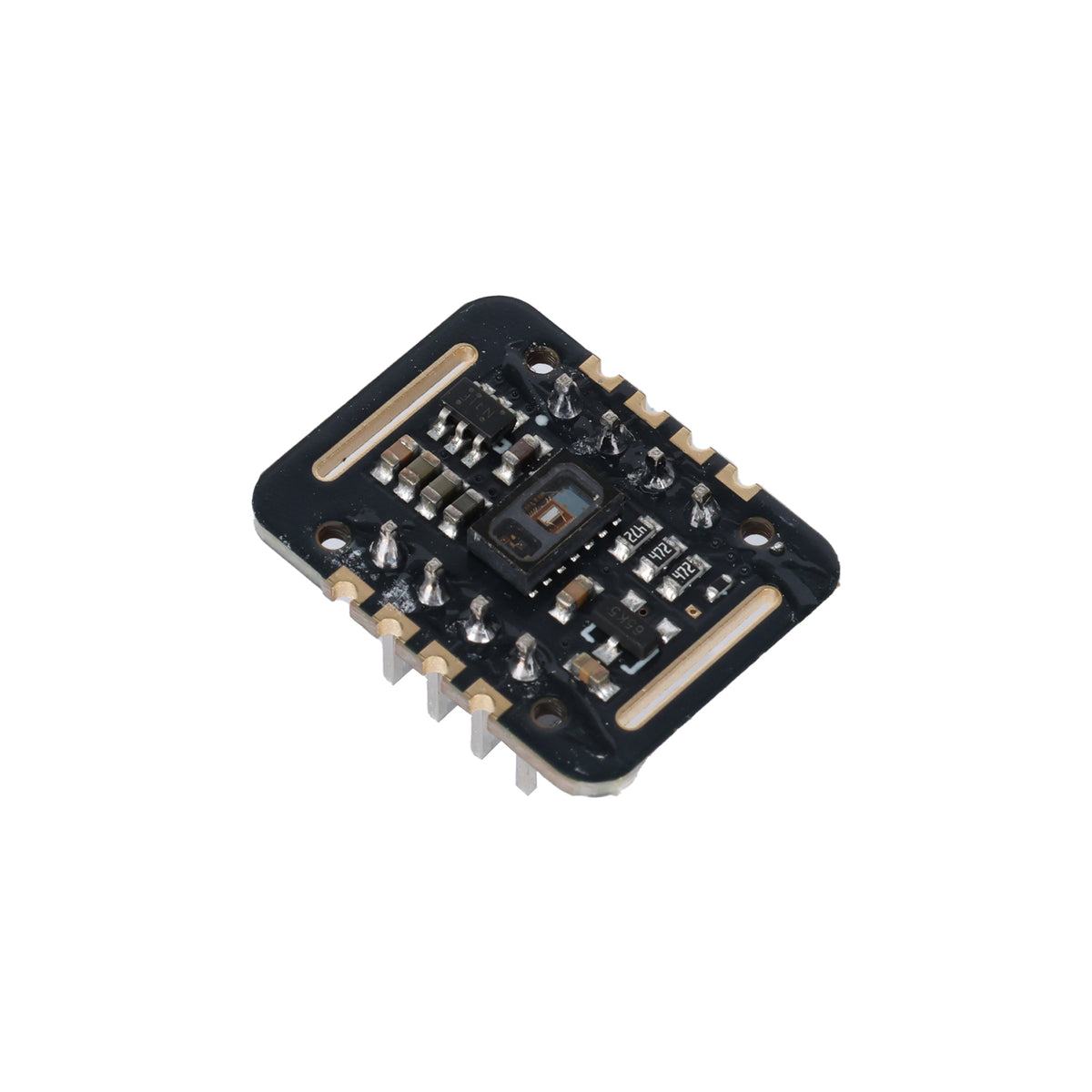
MAX30102 Pre-Soldered Heart Rate & Pulse Oximeter Sensor Module
SKU NB212
MAX30102 I2C heart rate and pulse oximeter sensor module for SpO2 blood oxygen monitoring in wearables, fitness trackers, Arduino, Raspberry Pi, ESP32, robotics and prototyping; pre-soldered pins.
Each pack contains the selected number of the same product, bundled together. For example, a 4-Pack contains 4 of the product shown.
Bulk eligible
Mix any Bulk eligible products — discount applies to your total quantity across the cart.| Buy 5+ | $6.64 each | Save 5% |
| Buy 10+ | $6.29 each | Save 10% |
- Free Ground Shipping U.S. orders $35+
- Ships from USA Worldwide via DHL
- 30-day returns Free defect replacement
- 7-day support Fast email replies
 MAX30102 Pre-Soldered Heart Rate & Pulse Oximeter Sensor Module
★★★★★
(3)
$6.99
This item
MAX30102 Pre-Soldered Heart Rate & Pulse Oximeter Sensor Module
★★★★★
(3)
$6.99
This item
Products related to this item
Overview
Product Overview
The MAX30102 is an optical heart-rate and pulse-oximetry sensor: red (660 nm) and infrared (880 nm) LEDs with a photodetector and an 18-bit ADC sampling at 50–3200 samples per second. It talks I2C at address 0x57 (up to 400 kHz), and the module's onboard regulators accept 1.8–5 V, so it works with 3.3 V ESP32 and Raspberry Pi boards as well as 5 V Arduinos. Active current is under 600 µA, standby 0.7 µA.
Use the SparkFun MAX3010x or equivalent library to read pulse rate, estimate SpO2, detect a finger on the sensor and experiment with heart-rate variability. The 18 × 13 mm board comes with pins pre-soldered, as a single or a 2-pack. For wearables, fitness prototypes and biomedical learning — not a medical device.
Questions & answers
Frequently asked questions
Have other questions?
Chat with our US-based team — we usually reply fast.
What's included
Features & Specs
Reference
Documents
Full Product Manual MAX30102 Pre-Soldered Heart Rate & Pulse Oximeter Sensor Module | ShillehTek Product Manual In-depth setup guide with wiring, code examples, and troubleshooting.Learn
Related Tutorials

Arduino UNO MAX30102: Measure Heart Rate BPM

Arduino MAX30102: Stream Heart Rate to Serial

Arduino AD8232 ECG Module: Plot a Live ECG Waveform

Arduino Nano MAX30102: OLED Pulse Oximeter Build

ESP32 MPU6050: Build a Wrist Sleep Tracker

Arduino MAX30102: Heart Rate and SpO2 on OLED

Arduino MAX30102 vs MAX30100: Choose the best sensor
Watch
Related Videos
Verified buyers
Customer Reviews
MAX30102 Pre-Soldered Heart Rate & Pulse Oximeter Sensor Module