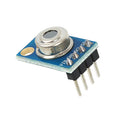
MLX90614 Pre-Soldered IR Temperature Sensor Module for Arduino & Raspberry Pi
SKU VB-0T9M-PDE0
Contactless I2C IR temperature sensor for Arduino and Raspberry Pi, ideal for surface temp readings without touching the object.
- Free Ground Shipping U.S. orders $35+
- Ships from USA Domestic fulfillment
- 30-day returns Free defect replacement
- 7-day support Fast email replies
 MLX90614 Pre-Soldered IR Temperature Sensor Module for Arduino & Raspberry Pi
★★★★★
(9)
$16.49
This item
MLX90614 Pre-Soldered IR Temperature Sensor Module for Arduino & Raspberry Pi
★★★★★
(9)
$16.49
This item
Products related to this item


Overview
Product Overview
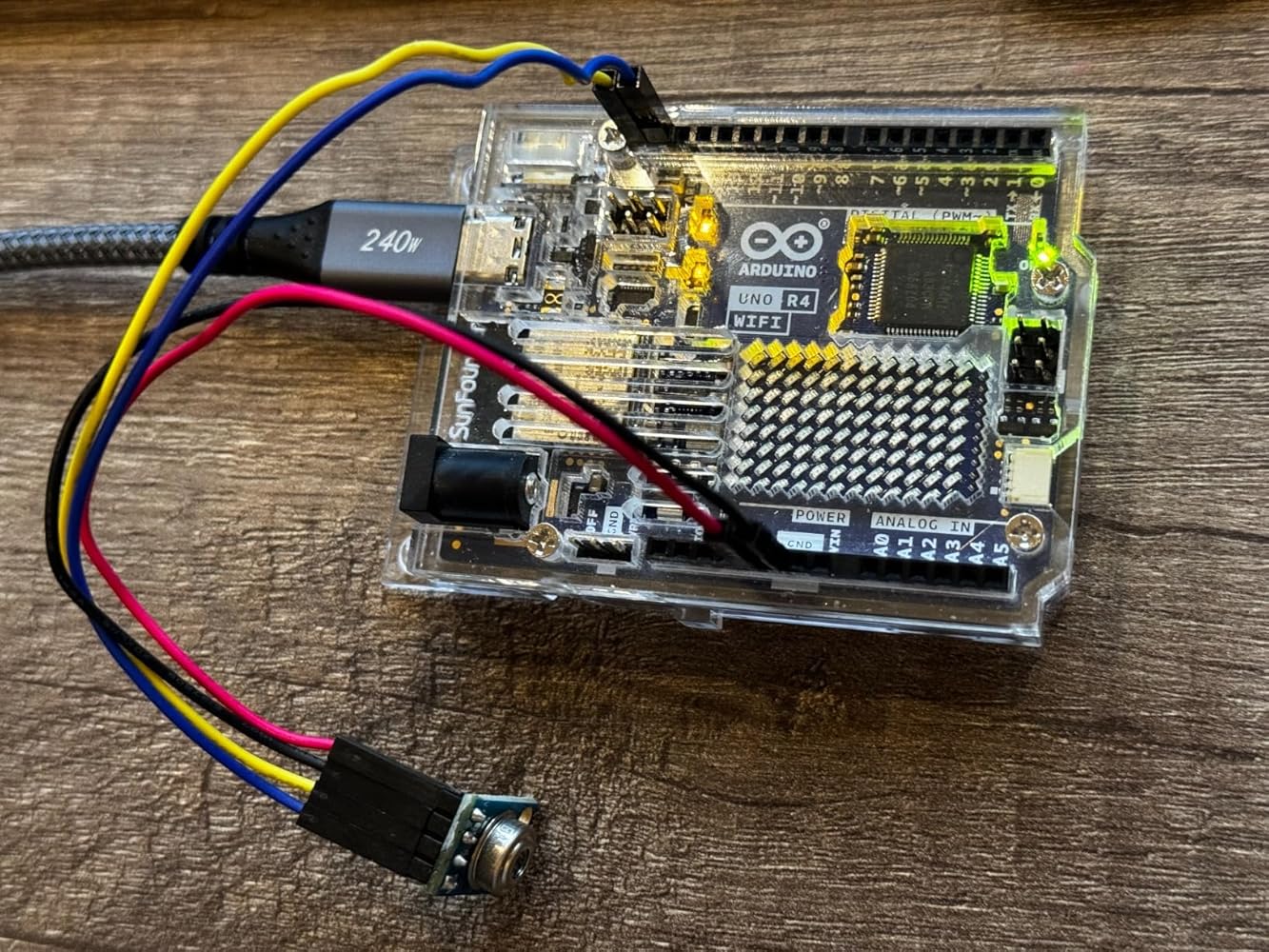
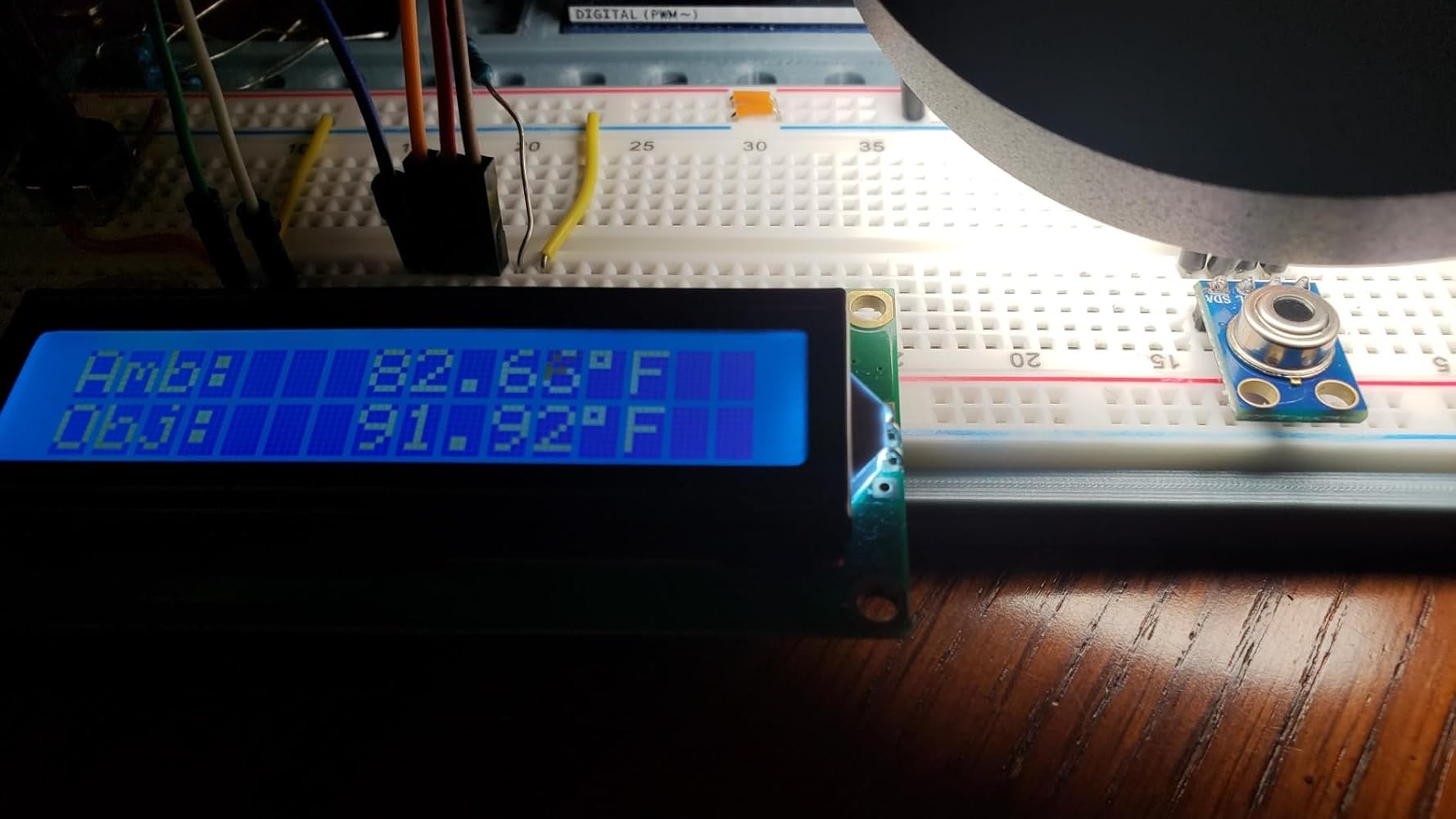
The ShillehTek MLX90614 IR Temperature Sensor measures temperature without contact by reading infrared energy, making it perfect for Arduino and Raspberry Pi projects where you cannot or do not want to touch the object. It communicates over I2C, so it is easy to wire and widely supported with libraries. Use it for contactless surface temperature checks, human presence and skin-temperature style demos, electronics temperature monitoring, moving object measurements, and automation projects where you want fast temperature readings without a probe.
Questions & answers
Frequently asked questions
Have other questions?
Chat with our US-based team — we usually reply fast.
What's included
Features & Specs
Reference
Documents
Full Product Manual GY-906 MLX90614 BAA Non-Touch Infrared Temperature Sensor In-depth setup guide with wiring, code examples, and troubleshooting.Learn
Related Tutorials

Raspberry Pi Pico W MLX90614: Read temps in MicroPython

Arduino MLX90614: Read Non-Contact Temperature Values

Arduino Temperature Sensors: Choose the Right One
Watch
Related Videos
Verified buyers
Customer Reviews



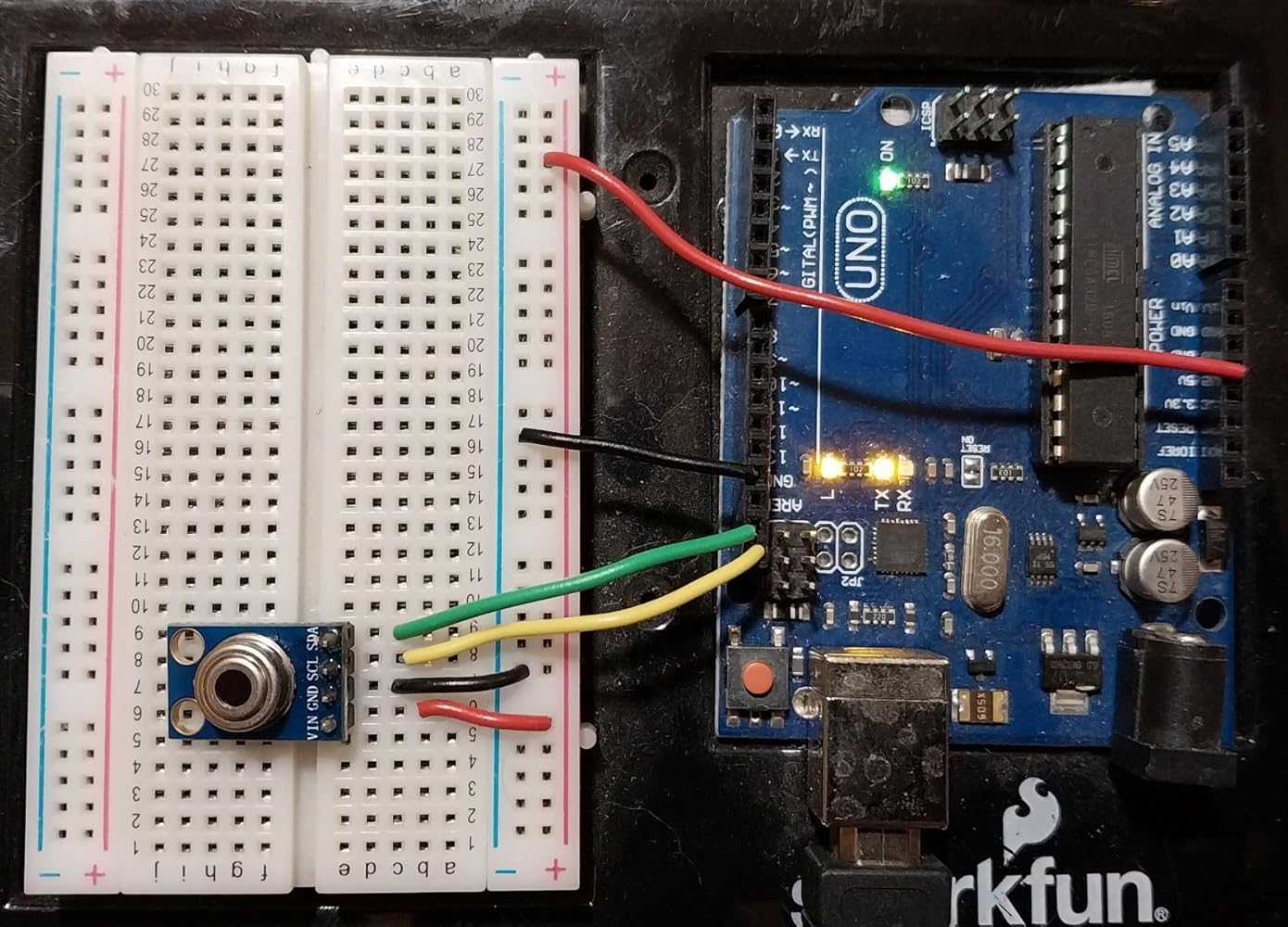
MLX90614 Pre-Soldered IR Temperature Sensor Module for Arduino & Raspberry Pi