PCF8574 I2C Serial Interface Adapter Module for 1602 & 2004 LCD Displays
SKU AA134
Convert 16-pin LCDs to a two-wire I2C interface to save microcontroller GPIO pins and streamline wiring; compatible with standard 1602 and 2004 character displays.
- Free Ground Shipping U.S. orders $35+
- Ships from USA Worldwide via DHL
- 30-day returns Free defect replacement
- 7-day support Fast email replies
 PCF8574 I2C Serial Interface Adapter Module for 1602 & 2004 LCD DisplaysNo reviews yet
$5.99
This item
PCF8574 I2C Serial Interface Adapter Module for 1602 & 2004 LCD DisplaysNo reviews yet
$5.99
This item
Products related to this item
Overview
Product Overview
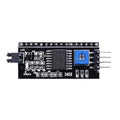
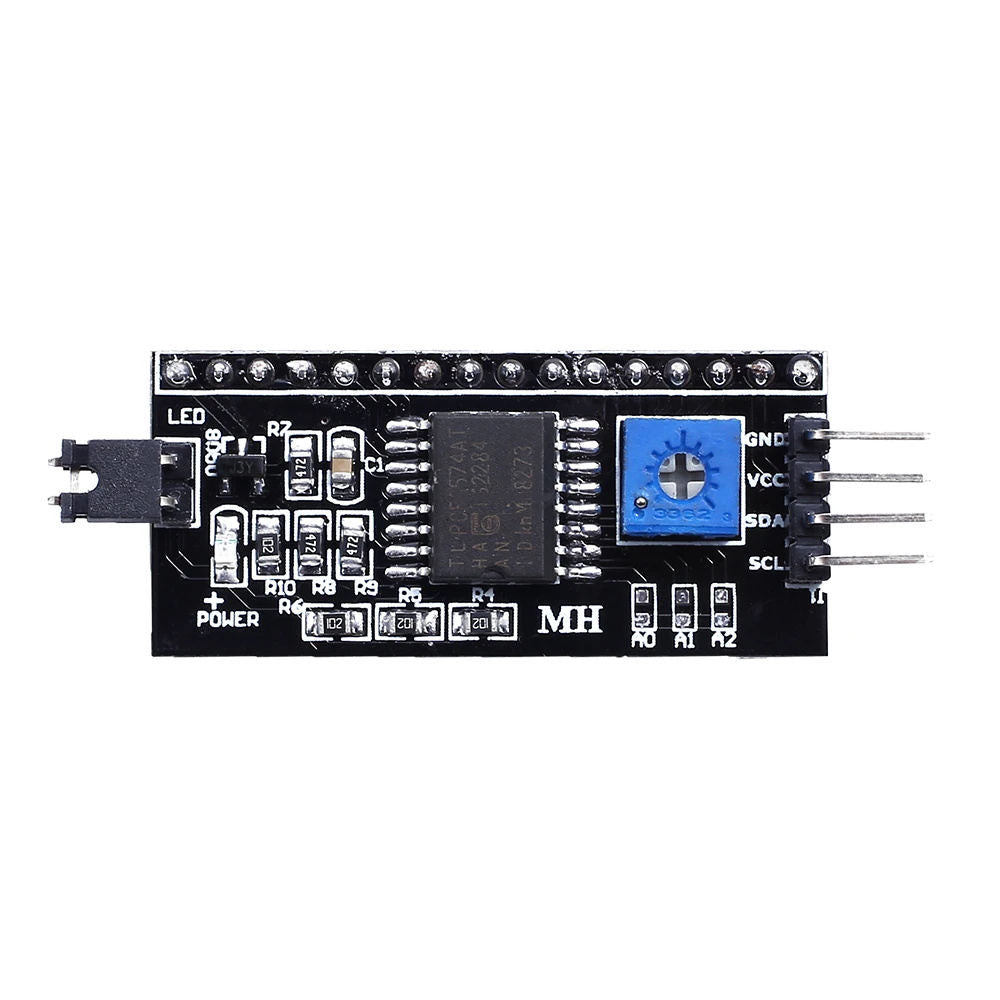
The PCF8574 I2C Serial Interface Adapter converts the 16‑pin parallel connection of common character displays into a two‑wire I2C interface, letting you drive 1602 (16x2) and 2004 (20x4) modules with just SDA and SCL. Often called an “LCD backpack,” it solders to the display header and includes an onboard potentiometer for easy contrast tuning. Use the A0/A1/A2 solder pads to change the I2C address (default 0x27 or 0x3F) so multiple screens can share one bus, and remove the backlight jumper cap to disable the LED backlight for lower power when needed. Practical for Arduino and other microcontroller projects, this adapter preserves GPIO for sensors and actuators while simplifying wiring and setup; saves I/O pins and makes integration straightforward.
Questions & answers
Frequently asked questions
Have other questions?
Chat with our US-based team — we usually reply fast.
What's included
Features & Specs
Reference
Documents
Full Product Manual ShillehTek PCF8574 I2C Serial Interface Adapter Module for 1602 2004 LCD | ShillehTek Product Manual In-depth setup guide with wiring, code examples, and troubleshooting.Learn
Related Tutorials

Arduino MCP2515 CAN Bus Module: DHT11 Data to LCD

Arduino 4x4 Membrane Keypad: Read Keys in Serial

Arduino PCF8574: Add 8 GPIO Pins Over I2C

Arduino Nano APDS-9960: Gesture LCD Menu Control

Arduino UNO HMC5883L: Show X/Y/Z on 16x2 LCD

Arduino LCD2004 I2C: Hello World on 20x4 Display
Watch
Related Videos
Verified buyers
Customer Reviews
PCF8574 I2C Serial Interface Adapter Module for 1602 & 2004 LCD Displays