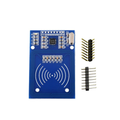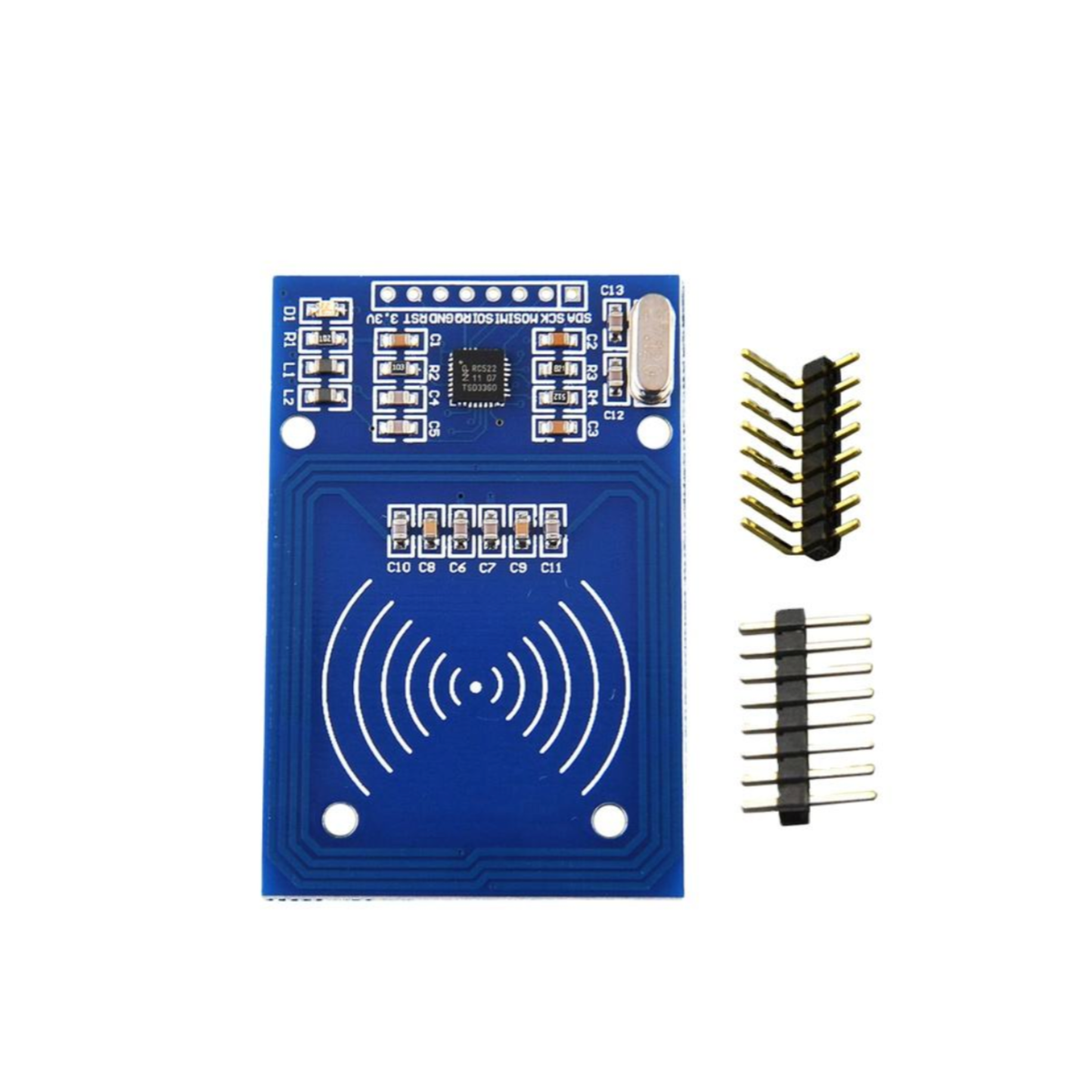
RC522 RFID Reader Writer Module 13.56MHz for Arduino
SKU AA129
RC522 RFID reader/writer module for Arduino, operating at 13.56MHz with a fast SPI interface for rapid tag read/write in compact DIY projects.
- Free Ground Shipping U.S. orders $35+
- Ships from USA Worldwide via DHL
- 30-day returns Free defect replacement
- 7-day support Fast email replies
 RC522 RFID Reader Writer Module 13.56MHz for ArduinoNo reviews yet
$3.99
This item
RC522 RFID Reader Writer Module 13.56MHz for ArduinoNo reviews yet
$3.99
This item
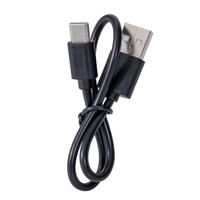

Products related to this item
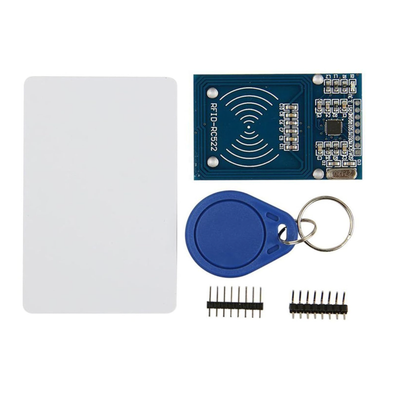
Overview
Product Overview
The RC522 RFID Reader Writer Module 13.56MHz Kit for Arduino delivers a compact, ready-to-integrate solution for contactless identification projects and DIY security systems; operating at the global 13.56MHz standard, it supports common contactless smart cards and tags and connects via a fast SPI interface for reliable, low-latency communication, while offering both read and write capability for unique IDs and memory blocks to enable logging, access control, inventory tracking, and electronic door locks with straightforward Arduino integration and dependable performance.
Built around the MFRC522 chip, the board reads and writes ISO 14443A cards and tags - including MIFARE Classic 1K/4K and Ultralight - at a close-proximity range of a few centimeters, which is exactly what you want for access control. It runs on 3.3 V power with an SPI interface supported by the ubiquitous Arduino MFRC522 library, so card-UID door locks, attendance loggers, and tap-to-start projects come together in an evening.
Questions & answers
Frequently asked questions
Have other questions?
Chat with our US-based team — we usually reply fast.
What's included
Features & Specs
Reference
Documents
Full Product Manual ShillehTek RC522 RFID Reader Writer Module 13.56MHz for Arduino | ShillehTek Product Manual In-depth setup guide with wiring, code examples, and troubleshooting.Learn
Related Tutorials

Arduino Nano RC522 RFID: Unlock a Servo Cat Door

Arduino Nano EM4100 RFID: EEPROM multi-card door lock
Watch
Related Videos
Verified buyers
Customer Reviews
RC522 RFID Reader Writer Module 13.56MHz for Arduino